Want to dominate the digital space? Generating high-quality leads online is the ultimate game-changer for businesses today. With the right strategies, you can turn clicks into customers and grow your revenue exponentially.
What Are Leads Online and Why They Matter

Understanding the concept of leads online is the foundation of any successful digital marketing strategy. A ‘lead’ refers to a potential customer who has shown interest in your product or service—typically by providing contact information. In the digital world, these leads are generated through various online channels such as websites, social media, and email campaigns.





Defining Leads Online
Leads online are individuals or businesses that engage with your brand through digital platforms and express interest—often by signing up for a newsletter, downloading a free guide, or requesting a quote. Unlike traditional leads gathered via cold calls or print ads, online leads are usually warmer, more targeted, and easier to track.
- They originate from digital interactions like form submissions or chatbot conversations.
- They can be categorized based on intent: informational, transactional, or navigational.
- They are measurable through analytics tools like Google Analytics or HubSpot.
Types of Online Leads
Not all leads online are created equal. It’s crucial to distinguish between different types to optimize your conversion strategy:
- Marketing Qualified Leads (MQLs): These are leads who have engaged with your content but aren’t ready to buy yet. For example, someone who downloads an eBook.
- Sales Qualified Leads (SQLs): These leads have shown buying intent, such as requesting a demo or pricing information.
- Product Qualified Leads (PQLs): Common in SaaS businesses, these users have experienced your product (e.g., through a free trial) and shown signs of conversion potential.
Why Online Leads Are More Valuable
Compared to offline methods, leads online offer superior targeting, scalability, and ROI. According to HubSpot, companies that leverage inbound marketing generate 54% more leads than those relying on traditional tactics. The digital nature allows for real-time tracking, A/B testing, and personalized follow-ups.
“The future of sales isn’t about chasing prospects—it’s about attracting them with value.” — Brian Halligan, CEO of HubSpot
Top 7 Strategies to Generate Leads Online
Generating consistent leads online requires a strategic blend of content, technology, and psychology. Below are seven proven methods that top-performing businesses use to attract, convert, and nurture leads effectively.
1. Optimize Your Website for Conversion
Your website is your digital storefront. If it’s not optimized for lead capture, you’re losing opportunities. Start by ensuring your site loads quickly, is mobile-friendly, and has clear calls-to-action (CTAs).
- Use high-converting landing pages with minimal distractions.
- Implement pop-ups or slide-ins strategically (e.g., exit-intent popups).
- Include trust signals like testimonials, security badges, and client logos.
Tools like Unbounce or Leadpages can help you create high-performing landing pages without coding.
2. Leverage Content Marketing
Content is king when it comes to generating leads online. By offering valuable, educational content, you position your brand as an authority and encourage visitors to exchange their contact details for premium resources.
- Create gated content such as whitepapers, templates, or webinars.
- Use SEO-optimized blog posts to attract organic traffic.
- Promote content via email newsletters and social media.
For example, a financial advisory firm might offer a free ‘Retirement Planning Checklist’ in exchange for an email address—turning casual readers into qualified leads.
3. Master Social Media Lead Generation
Social platforms like LinkedIn, Facebook, and Instagram are powerful tools for capturing leads online. Each platform offers unique lead generation features:
- Facebook Lead Ads allow users to submit forms without leaving the app.
- LinkedIn Lead Gen Forms integrate with your CRM for B2B lead capture.
- Instagram shoppable posts and swipe-up links (for verified accounts) drive traffic to landing pages.
According to Social Media Examiner, 73% of marketers say social media marketing has been ‘somewhat effective’ or ‘very effective’ for their business.
4. Run Targeted Paid Advertising Campaigns
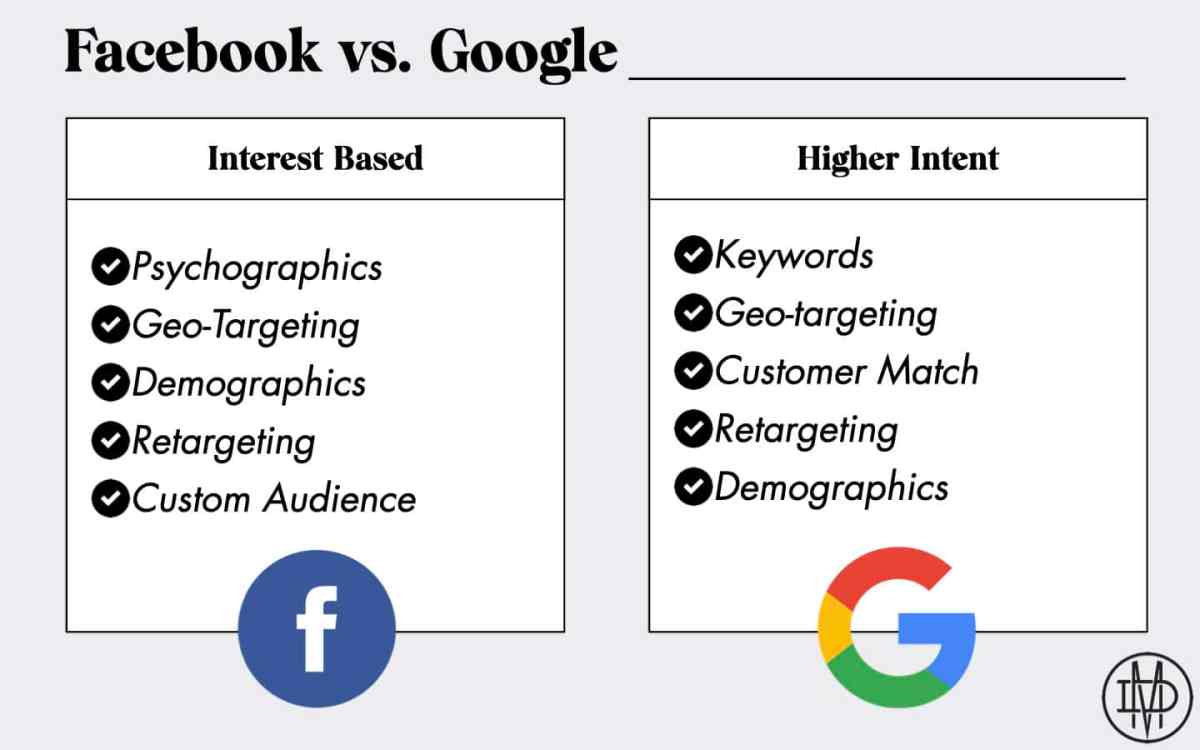
Paid ads can accelerate your lead generation efforts. Platforms like Google Ads and Meta Ads allow hyper-targeting based on demographics, interests, and online behavior.
- Use search ads to capture high-intent leads (e.g., ‘best CRM software’).
- Retarget website visitors with display or social ads to re-engage them.
- Test different ad creatives and CTAs to optimize conversion rates.
A well-structured Google Ads campaign can deliver a 200% ROI when optimized correctly, according to WordStream.
5. Build an Email List with Lead Magnets
Email remains one of the highest ROI channels for nurturing leads online. The key is to offer irresistible lead magnets—free resources that solve a specific problem.
- E-books, cheat sheets, free trials, and discount codes work well.
- Use tools like Mailchimp or ConvertKit to automate email sequences.
- Segment your list based on behavior to send personalized follow-ups.
A study by Campaign Monitor found that segmented email campaigns generate 30% more opens and 50% more clicks.
6. Utilize SEO to Attract Organic Leads
Search Engine Optimization (SEO) is a long-term strategy that drives consistent, high-intent leads online. By ranking for relevant keywords, you attract users actively searching for solutions you offer.
- Conduct keyword research using tools like Ahrefs or SEMrush.
- Optimize on-page elements: title tags, meta descriptions, headers, and image alt text.
- Build backlinks from authoritative sites to boost domain authority.
Organic search drives 53% of all website traffic, per Backlinko, making it a critical channel for lead generation.
7. Implement Live Chat and Chatbots
Real-time engagement can dramatically increase lead conversion. Live chat and AI-powered chatbots answer questions instantly, guide users through your site, and capture contact info.
- Use chatbots to qualify leads by asking qualifying questions.
- Offer instant support during business hours with live agents.
- Integrate chat tools with your CRM for seamless follow-up.
According to Zendesk, 69% of consumers prefer chatbots for quick communication with brands.
Tools and Platforms to Capture Leads Online
Technology plays a pivotal role in managing and converting leads online. The right tools streamline data collection, nurture workflows, and improve sales alignment.
CRM Systems for Lead Management
A Customer Relationship Management (CRM) system is essential for organizing and tracking leads online. It centralizes all interactions, automates follow-ups, and provides insights into lead behavior.
- Salesforce: Ideal for large enterprises with complex sales cycles.
- HubSpot CRM: User-friendly and perfect for small to mid-sized businesses.
- Zoho CRM: Affordable with robust automation features.
Integrating your CRM with marketing tools ensures no lead falls through the cracks.
Lead Capture Tools
These tools help you collect visitor information efficiently across multiple touchpoints.
- OptinMonster: Creates high-converting popups and floating bars.
- Privy: Great for e-commerce sites to capture emails and SMS opt-ins.
- Typeform: Offers engaging, conversational forms that feel less intrusive.
Using dynamic text replacement, these tools can personalize offers based on user behavior, increasing conversion rates by up to 20%.
Email Marketing Automation Platforms
Automating your email sequences ensures timely, relevant communication with leads online.
- ActiveCampaign: Combines email marketing with advanced automation and CRM.
- Klaviyo: Best for e-commerce brands with behavioral triggers.
- MailerLite: Budget-friendly with drag-and-drop design tools.
Automation workflows can include welcome series, abandoned cart reminders, and re-engagement campaigns.
How to Qualify and Nurture Leads Online
Not every lead is ready to buy. Effective lead nurturing increases conversion rates by delivering the right message at the right time.
Lead Scoring Models
Lead scoring assigns values to leads based on their behavior and profile data. This helps prioritize which leads to pursue first.
- Positive points for actions like visiting pricing pages, downloading brochures, or attending webinars.
- Negative points for inactivity or unengaged email behavior.
- Thresholds determine when a lead is sales-ready.
For example, a lead who visits your ‘Contact Us’ page three times in a week might score higher than one who only read a blog post.
Nurturing Through Drip Campaigns
Drip campaigns are automated email sequences designed to educate and build trust over time.
- Send a welcome email immediately after sign-up.
- Follow up with case studies, testimonials, and product demos.
- Include CTAs that encourage the next step, like scheduling a call.
According to Marketo, nurtured leads make 47% larger purchases than non-nurtured ones.
Using Retargeting to Re-Engage Cold Leads
Many leads online don’t convert on the first visit. Retargeting brings them back with personalized ads.
- Use pixel-based retargeting to show ads to past website visitors.
- Create custom audiences on Facebook or Google Ads based on user behavior.
- Offer special incentives like discounts or free consultations to reignite interest.
Retargeting can increase conversion rates by up to 150%, as reported by AdRoll.
Measuring the Success of Your Leads Online Strategy
You can’t improve what you don’t measure. Tracking key performance indicators (KPIs) helps you refine your approach and maximize ROI.
Key Metrics to Track
Monitor these metrics to evaluate the health of your lead generation efforts:
- Conversion Rate: Percentage of visitors who become leads.
- Cost Per Lead (CPL): How much you spend to acquire one lead.
- Lead-to-Customer Rate: Percentage of leads that convert into paying customers.
- Customer Acquisition Cost (CAC): Total cost to acquire a new customer.
- Return on Ad Spend (ROAS): Revenue generated per dollar spent on ads.
Tools for Analytics and Reporting
Leverage analytics platforms to gain insights and make data-driven decisions.
- Google Analytics: Track traffic sources, user behavior, and goal completions.
- UTM Parameters: Tag URLs to identify which campaigns drive leads online.
- Heatmaps (e.g., Hotjar): Visualize how users interact with your pages.
Regular reporting helps identify bottlenecks—like a high bounce rate on a landing page—and optimize accordingly.
A/B Testing for Continuous Improvement
Even small changes can have a big impact. A/B testing allows you to compare two versions of a webpage, email, or ad to see which performs better.
- Test headlines, CTAs, button colors, and form lengths.
- Run tests for at least one full business cycle to ensure accuracy.
- Use tools like Google Optimize or VWO for seamless experimentation.
According to VWO, companies that consistently A/B test see up to 30% higher conversion rates over time.
Common Mistakes to Avoid When Generating Leads Online
Even experienced marketers make errors that undermine their lead generation efforts. Avoiding these pitfalls can save time, money, and frustration.
Ignoring Mobile Optimization
Over 60% of web traffic comes from mobile devices. If your forms, landing pages, or CTAs aren’t mobile-friendly, you’re losing leads online. Ensure responsive design, fast load times, and easy navigation on all devices.
Overloading Forms with Too Many Fields
Every additional field on a form reduces conversion rates. Only ask for essential information upfront—name and email are often enough. You can collect more details later in the sales process.
Failing to Follow Up Promptly
Speed matters. Research by HubSpot shows that leads contacted within 5 minutes are 9 times more likely to convert than those contacted after 30 minutes. Use automation to send instant responses and schedule follow-ups.
Neglecting Lead Nurturing
Only 2% of leads convert on the first interaction. The rest need nurturing. Without a follow-up strategy, most leads go cold. Build automated workflows to stay top-of-mind.
Not Aligning Sales and Marketing Teams
When sales and marketing teams work in silos, lead quality suffers. Establish shared goals, regular communication, and a Service Level Agreement (SLA) to ensure smooth handoffs and accountability.
Future Trends in Leads Online Generation
The landscape of leads online is evolving rapidly. Staying ahead of trends ensures your strategy remains effective and competitive.
AI-Powered Lead Generation
Artificial Intelligence is transforming how businesses find and engage leads online. AI tools can predict lead behavior, personalize content, and automate outreach at scale.
- Chatbots use natural language processing to qualify leads 24/7.
- Predictive analytics identify high-value leads before they convert.
- AI-driven email platforms optimize send times and subject lines.
According to MarketsandMarkets, the AI in marketing sector is projected to grow to $40 billion by 2025.
Voice Search and Smart Assistants
With the rise of Alexa, Siri, and Google Assistant, voice search is changing SEO and lead capture. Optimize content for conversational queries and long-tail keywords.
- Use natural language in your content (e.g., ‘Where can I buy eco-friendly shoes near me?’).
- Ensure your Google Business Profile is up to date for local voice searches.
- Create FAQ pages that answer common voice queries.
By 2025, 50% of all searches will be voice-based, per Comscore.
Hyper-Personalization and Behavioral Targeting
Generic messaging no longer works. Consumers expect personalized experiences. By leveraging data on browsing behavior, purchase history, and preferences, businesses can deliver tailored offers.
- Use dynamic website content that changes based on user profile.
- Send personalized product recommendations via email.
- Trigger automated messages based on user actions (e.g., cart abandonment).
According to McKinsey, personalization can reduce acquisition costs by up to 50% and increase revenues by 5-15%.
What are leads online?
Leads online are potential customers who have shown interest in your product or service through digital channels, such as website forms, social media, or email sign-ups. They provide contact information in exchange for value, like a free guide or consultation.
How can I generate more leads online?
You can generate more leads online by optimizing your website, creating valuable content, running targeted ads, using lead magnets, leveraging SEO, and implementing chatbots. Consistency and testing are key to long-term success.
What tools are best for capturing leads online?
Top tools include HubSpot, Unbounce, OptinMonster, Mailchimp, and ActiveCampaign. These platforms help with landing pages, forms, email automation, and CRM integration to streamline lead capture and nurturing.
How do I qualify leads online?
Use lead scoring to rank leads based on behavior (e.g., page visits, downloads) and demographic fit. Marketing Qualified Leads (MQLs) become Sales Qualified Leads (SQLs) after meeting specific criteria, ensuring only the best leads are passed to sales.
Why is lead nurturing important?
Lead nurturing builds trust and guides prospects through the buyer’s journey. Most leads aren’t ready to buy immediately—consistent, personalized communication increases conversion rates and customer lifetime value.
Generating leads online is no longer optional—it’s essential for business growth in the digital age. From optimizing your website and leveraging content marketing to using AI and automation, the strategies outlined in this guide provide a comprehensive roadmap to success. By avoiding common mistakes, measuring performance, and staying ahead of trends, you can build a sustainable lead generation engine that drives revenue and scales your business. Start implementing these tactics today and watch your leads online multiply.
Further Reading: