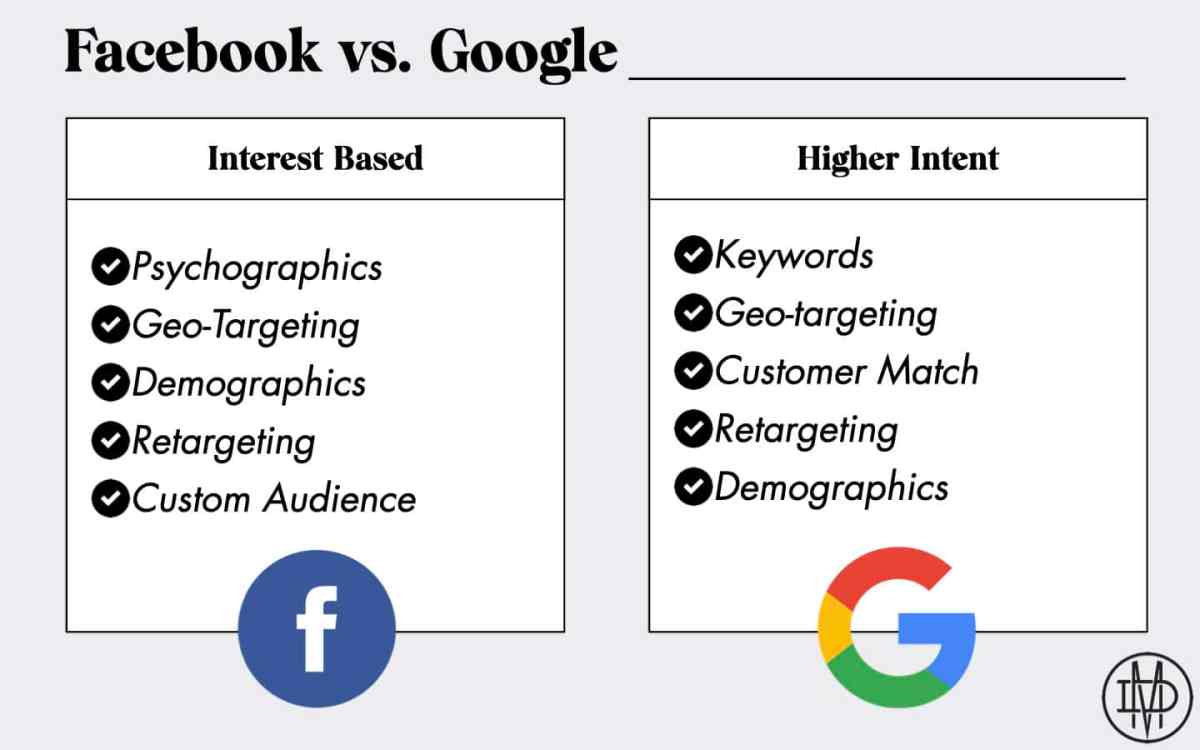
Ever wondered what ‘leads meaning’ really is? It’s not just about names and emails—it’s the lifeblood of sales and marketing. Let’s break it down in simple, powerful terms.
Leads Meaning: The Core Definition and Why It Matters

Understanding the true leads meaning is the first step toward mastering customer acquisition. At its core, a lead is any individual or organization that shows interest in your product or service. This interest can be expressed in various ways—filling out a form, subscribing to a newsletter, or even downloading a free guide. But not all leads are created equal, and that’s where things get interesting.




What Exactly Is a Lead?
A lead is more than just contact information. It’s a potential customer who has, in some way, engaged with your brand. Whether they clicked on an ad, attended a webinar, or requested a demo, that interaction marks them as a lead. According to Investopedia, a lead is “a potential sales contact,” and this definition still holds strong in today’s digital landscape.
- A lead starts with intent—someone showing interest.
- It can be as simple as an email signup or as complex as a direct inquiry.
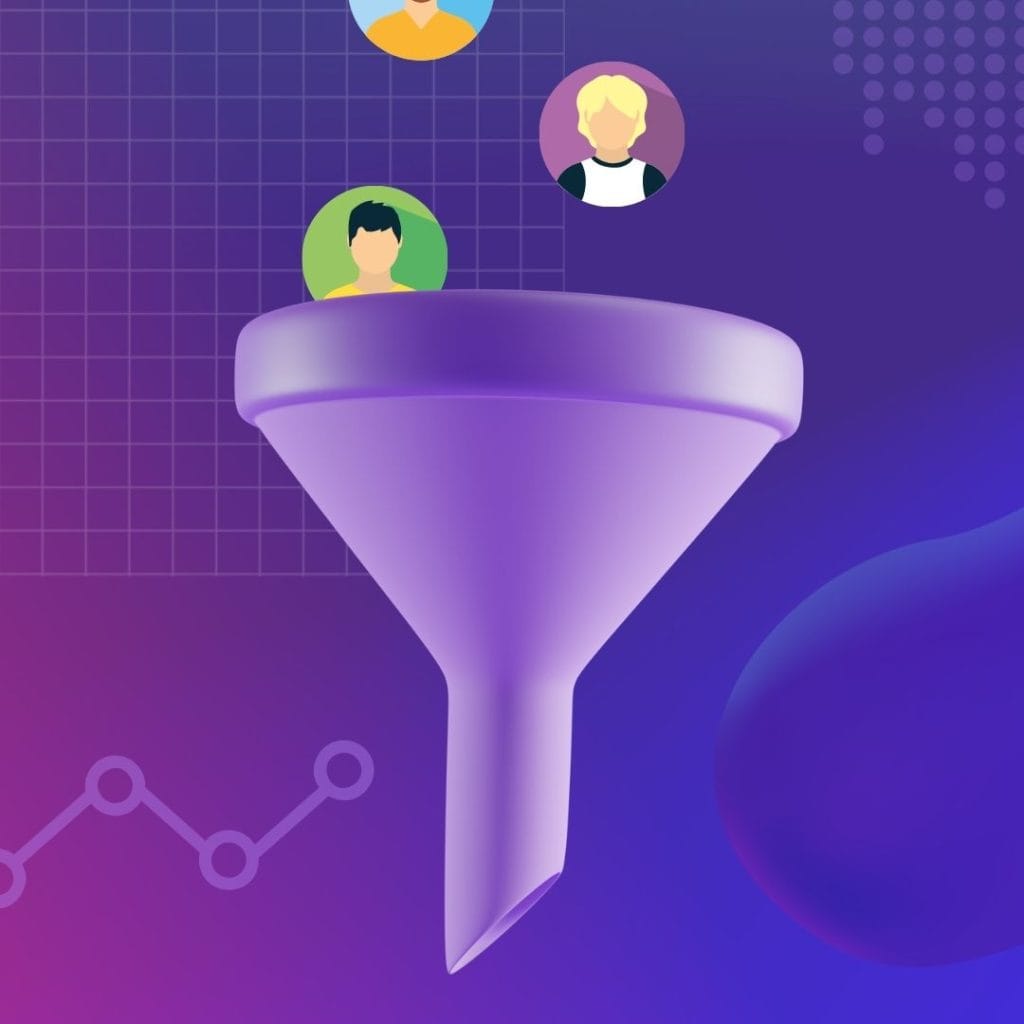
- Leads are the starting point of the sales funnel.
Why Understanding Leads Meaning Is Crucial for Business Growth
Without leads, there are no customers. Without customers, there is no revenue. It’s that simple. But the real power lies in understanding the nuances of the leads meaning. Businesses that grasp this concept can fine-tune their marketing strategies, improve conversion rates, and scale more efficiently.
For example, a company that generates 1,000 leads per month but converts only 1% is leaving 990 potential customers on the table. By digging into the quality and behavior of those leads, they can adjust messaging, targeting, and follow-up processes to boost conversions.
“A lead is not just a name and email—it’s a story waiting to unfold.”
Types of Leads: From Cold to Hot, What You Need to Know
Not all leads are the same. The leads meaning evolves depending on the level of engagement and intent. Classifying leads helps businesses prioritize efforts and allocate resources more effectively. Let’s explore the main types.
Cold Leads: The Starting Point
Cold leads are individuals who have shown minimal interest. They might have visited your website or downloaded a generic resource but haven’t engaged further. These leads require nurturing before they’re ready to buy.
- They may not know your brand well.
- Typically at the top of the sales funnel.
- Best approached with educational content and gentle follow-ups.
Warm Leads: Showing Genuine Interest
Warm leads have interacted more deeply with your brand. They might have attended a webinar, requested a free trial, or engaged with your social media content. These leads are more likely to convert because they’ve already taken a step toward learning about your solution.
leads meaning – Leads meaning menjadi aspek penting yang dibahas di sini.
According to HubSpot, warm leads are 20% more likely to convert than cold ones. This makes them a prime target for sales outreach.
- They’ve demonstrated intent.
- Often in the middle of the sales funnel.
- Respond well to personalized emails and demos.
Hot Leads: Ready to Buy Now
Hot leads are the golden ticket. These are prospects who are actively looking to make a purchase. They might have requested a quote, scheduled a consultation, or added a product to their cart. The leads meaning here shifts from potential to urgency.
These leads require immediate attention. A study by Salesforce found that leads contacted within five minutes of inquiry are 10x more likely to convert than those contacted after 30 minutes.
- High intent to purchase.
- Located at the bottom of the funnel.
- Need fast, personalized responses.
How Leads Are Generated: Top Strategies That Work
Now that we’ve covered the leads meaning and types, let’s dive into how leads are actually generated. The methods vary by industry, audience, and goals, but some strategies consistently deliver results.
Content Marketing and Lead Magnets
One of the most effective ways to generate leads is through valuable content. Offering free resources—like ebooks, templates, or checklists—in exchange for contact information is a proven tactic. These are known as lead magnets.
- Content builds trust and authority.
- Lead magnets attract high-intent users.
- Works well for both B2B and B2C.
For example, a software company might offer a free “SEO Audit Template” in exchange for an email address. This not only captures leads but also positions the brand as an expert.
Social Media and Paid Advertising
Platforms like LinkedIn, Facebook, and Instagram allow businesses to target specific demographics and interests. Paid ads can drive traffic to landing pages designed to capture leads.
According to WordStream, Facebook Lead Ads can reduce cost per lead by up to 50% compared to traditional landing pages. This makes them a powerful tool in the lead generation arsenal.
leads meaning – Leads meaning menjadi aspek penting yang dibahas di sini.
- Highly targeted audience reach.
- Instant lead capture forms.
- Great for scaling lead volume.
Email Campaigns and Newsletters
Email remains one of the highest ROI marketing channels. Regular newsletters with valuable insights, promotions, or updates keep your brand top-of-mind and encourage engagement.
A well-crafted email sequence can turn cold leads into warm ones over time. Tools like Mailchimp and ActiveCampaign make it easy to segment audiences and personalize messages based on behavior.
- Cost-effective and scalable.
- Allows for deep personalization.
- Supports long-term nurturing.
Leads Meaning in Sales vs. Marketing: Bridging the Gap
The interpretation of leads meaning can differ between sales and marketing teams. Marketing often defines a lead as anyone who shows interest, while sales may only consider someone a lead if they’re ready to buy. This disconnect can lead to inefficiencies and missed opportunities.
Marketing’s Perspective: Quantity and Reach
Marketing teams focus on generating as many leads as possible. Their success is often measured by lead volume, cost per lead, and conversion rates from visitor to lead. They use broad strategies like SEO, content, and social media to attract attention.
- Goal: Maximize visibility and engagement.
- Metrics: Traffic, form submissions, downloads.
- Tools: Google Ads, SEO, landing pages.
Sales’ Perspective: Quality and Conversion
Sales teams care about leads that convert. They prioritize quality over quantity. A lead that fits the ideal customer profile (ICP) and has shown buying intent is far more valuable than a large list of unqualified contacts.
According to Gartner, only 25% of marketing-generated leads are sales-ready. This highlights the need for better alignment between departments.
- Goal: Close deals and generate revenue.
- Metrics: Conversion rate, deal size, sales cycle length.
- Tools: CRM, calling, demos.
Aligning Sales and Marketing for Better Lead Outcomes
When sales and marketing align on the leads meaning, businesses see higher conversion rates and shorter sales cycles. This alignment often involves creating a Service Level Agreement (SLA) that defines what constitutes a qualified lead.
For example, a marketing-qualified lead (MQL) might be someone who downloaded a pricing guide, while a sales-qualified lead (SQL) is someone who requested a demo. Clear definitions prevent confusion and ensure both teams are working toward the same goals.
leads meaning – Leads meaning menjadi aspek penting yang dibahas di sini.
“Alignment between sales and marketing can increase revenue by up to 208%.” — Marketo
Lead Scoring: How to Rank and Prioritize Your Leads
With potentially hundreds or thousands of leads coming in, how do you know which ones to focus on? That’s where lead scoring comes in. It’s a systematic way to rank leads based on their likelihood to convert.
What Is Lead Scoring?
Lead scoring assigns numerical values to leads based on demographic and behavioral data. Factors like job title, company size, website visits, email opens, and content downloads all contribute to a lead’s score.
- Higher scores indicate higher intent.
- Helps prioritize follow-up efforts.
- Reduces wasted time on unqualified leads.
Demographic vs. Behavioral Scoring
There are two main types of lead scoring: demographic and behavioral.
Demographic scoring looks at who the lead is—industry, role, location, company size. For a B2B SaaS company, a CTO at a tech startup might score higher than a student.
Behavioral scoring tracks what the lead does—visiting pricing pages, watching demo videos, attending webinars. These actions signal buying intent.
The most effective systems combine both. A lead who is a decision-maker (demographic) and has visited the pricing page three times (behavioral) is a prime candidate for sales outreach.
Implementing a Lead Scoring Model
Start by defining your ideal customer profile (ICP). Then, identify key behaviors that indicate interest. Assign point values accordingly—positive actions add points, negative ones (like unsubscribing) subtract them.
Tools like HubSpot, Salesforce, and Pardot offer built-in lead scoring features. You can also create custom models using spreadsheets or CRM integrations.
leads meaning – Leads meaning menjadi aspek penting yang dibahas di sini.
- Set thresholds for MQL and SQL status.
- Regularly review and adjust scoring criteria.
- Train sales and marketing teams on the system.
Leads Meaning in Digital Marketing: The Modern Landscape
In today’s digital world, the leads meaning has evolved. It’s no longer just about capturing names—it’s about understanding intent, behavior, and context. Digital marketing has made lead generation faster, more scalable, and more measurable.
The Role of SEO in Generating Organic Leads
Search engine optimization (SEO) is a long-term strategy for attracting high-intent leads. When people search for solutions you offer, appearing in the top results increases your chances of capturing their attention.
For example, someone searching “best CRM for small business” is likely in research mode and could become a lead if they find your comparison guide. According to Backlinko, the first result on Google gets 27.6% of all clicks—making SEO a critical lead source.
- Targets users with high purchase intent.
- Builds long-term traffic and authority.
- Complements paid strategies.
Pay-Per-Click (PPC) and Instant Lead Generation
PPC advertising, especially through Google Ads, allows businesses to appear at the top of search results instantly. Unlike SEO, which takes time, PPC delivers immediate visibility and lead flow.
When optimized correctly, PPC campaigns can generate high-quality leads at a predictable cost. The key is using precise keywords, compelling ad copy, and optimized landing pages.
- Fast results and scalability.
- Full control over budget and targeting.
- Excellent for testing offers and messaging.
Conversion Rate Optimization (CRO) for Better Lead Quality
Generating leads is one thing—converting them is another. CRO focuses on improving the percentage of visitors who become leads. This involves optimizing landing pages, forms, calls-to-action (CTAs), and user experience.
Simple changes—like reducing form fields or adding trust signals—can significantly boost conversion rates. A study by Crazy Egg found that reducing form fields from four to three increased conversions by 50%.
- Maximizes ROI from existing traffic.
- Improves lead quality by filtering out low-intent users.
- Uses A/B testing to validate changes.
Common Mistakes in Lead Management and How to Avoid Them
Even with a solid understanding of leads meaning, many businesses make critical errors in lead management. These mistakes can waste time, money, and opportunities.
leads meaning – Leads meaning menjadi aspek penting yang dibahas di sini.
Ignoring Lead Nurturing
Not all leads are ready to buy immediately. Yet, many companies focus only on immediate conversions and neglect nurturing. This results in lost potential.
Lead nurturing involves sending targeted content over time to build trust and guide prospects toward a decision. Email drip campaigns, retargeting ads, and personalized content are effective tools.
- 80% of new leads never convert on the first interaction.
- Nurtured leads make 47% larger purchases (Marketo).
- Automation makes nurturing scalable.
Poor Follow-Up Timing
Timing is everything in lead follow-up. Waiting too long can mean losing the lead to a competitor. Research by InsideSales.com shows that the odds of qualifying a lead drop by 10x if contacted after 5 minutes.
Automated email responses and instant notifications to sales reps can help ensure timely follow-up.
- Respond within 5 minutes for best results.
- Use chatbots for instant engagement.
- Set up alerts for high-intent actions.
Lack of CRM Integration
Without a Customer Relationship Management (CRM) system, leads can fall through the cracks. CRMs centralize lead data, track interactions, and automate workflows.
Companies using CRM see a 29% increase in sales performance (Nucleus Research). Integrating your CRM with marketing tools ensures no lead is left behind.
- Centralizes all lead information.
- Enables automation and reporting.
- Improves team collaboration.
What is the basic leads meaning?
The basic leads meaning refers to any person or organization that has shown interest in your product or service. This interest can be demonstrated through actions like filling out a form, subscribing to a newsletter, or downloading a resource. A lead is the starting point of the customer journey and represents potential revenue.
leads meaning – Leads meaning menjadi aspek penting yang dibahas di sini.
What are the different types of leads?
There are three main types: cold leads (minimal interest), warm leads (moderate engagement), and hot leads (high intent to buy). Additionally, marketing-qualified leads (MQLs) and sales-qualified leads (SQLs) help categorize leads based on readiness to move through the sales funnel.
How can I generate high-quality leads?
Focus on targeted content, SEO, paid advertising, and lead magnets. Use lead scoring to prioritize prospects and implement nurturing campaigns to build relationships over time. Ensure fast follow-up and integrate your tools with a CRM for better management.
Why is lead scoring important?
Lead scoring helps you prioritize leads based on their likelihood to convert. By assigning points for demographic and behavioral factors, you can focus your sales efforts on the most promising prospects, improving efficiency and conversion rates.
What’s the difference between a lead and a prospect?
A lead is anyone who has shown interest, while a prospect is a lead that has been qualified and is actively being pursued by the sales team. All prospects are leads, but not all leads become prospects.
leads meaning – Leads meaning menjadi aspek penting yang dibahas di sini.
Understanding the leads meaning is more than just a definition—it’s a strategic advantage. From identifying different types of leads to mastering generation and nurturing techniques, businesses that get this right see better conversions, stronger sales alignment, and sustainable growth. By avoiding common pitfalls and leveraging tools like CRM and lead scoring, you can turn interest into income. The journey from lead to customer starts with clarity—and now you have it.
Further Reading: