Want to unlock a massive market? Mastering leads in Spanish could be your golden ticket. With over 500 million native speakers worldwide, Spanish-speaking audiences represent a powerful, often underutilized opportunity for businesses. Here’s how to tap into it effectively.
Why Leads in Spanish Are a Game-Changer for Global Growth

Spanish is the second most spoken language by native speakers globally, trailing only Mandarin. But beyond sheer numbers, the cultural and economic influence of Spanish-speaking populations makes generating leads in Spanish a strategic imperative for any business aiming for international reach. From Latin America to Spain and the growing Hispanic community in the United States, the demand for localized content is surging.





Demographics of Spanish-Speaking Markets
The Spanish-speaking world is vast and diverse. According to Ethnologue, over 580 million people speak Spanish worldwide, with native speakers concentrated in countries like Mexico, Colombia, Argentina, and Spain. In the U.S., the Hispanic population exceeds 62 million, making it the largest minority group—and a key consumer base.
- Mexico alone has over 125 million Spanish speakers.
- Argentina and Colombia each boast more than 40 million native speakers.
- The U.S. Hispanic market has a buying power exceeding $1.7 trillion annually.
This demographic isn’t just large—it’s young, digitally active, and increasingly influential in shaping global trends.
Cultural Nuances That Impact Lead Generation
Generating leads in Spanish isn’t just about translation—it’s about localization. A direct word-for-word translation often fails because it ignores cultural context. For example, the Spanish used in Spain (Castilian) differs significantly from that in Latin America in terms of vocabulary, tone, and even humor.
- In Spain, “coche” means car; in Mexico, it’s “carro.”
- “Chevere” means cool in Colombia but is rarely used in Spain.
- Formality levels vary: Latin American Spanish often uses “tú” casually, while Spain may prefer “usted” in professional settings.
“Localization isn’t a luxury—it’s a necessity when targeting leads in Spanish. A message that resonates in Bogotá might fall flat in Madrid.” — Maria Fernandez, Global Marketing Strategist
Understanding these nuances ensures your lead magnets, landing pages, and email campaigns feel authentic and trustworthy.
Top 7 Strategies to Generate High-Quality Leads in Spanish
Generating leads in Spanish requires more than just language skills—it demands a strategic approach tailored to the preferences and behaviors of Spanish-speaking audiences. Below are seven proven tactics that deliver real results.
1. Create Culturally Relevant Content
Content is king, but relevance is the crown. When targeting leads in Spanish, your blog posts, videos, and social media content must reflect local values, holidays, and pain points. For instance, a campaign around Día de los Muertos (Day of the Dead) will resonate deeply in Mexico but may be irrelevant in Spain.
- Use local idioms and expressions to build rapport.
- Highlight regional success stories or testimonials.
- Align content with local events like Feria de Abril in Seville or Carnaval in Barranquilla.
According to HubSpot’s localization guide, companies that adapt content culturally see up to 70% higher engagement rates.
2. Optimize Landing Pages for Spanish Speakers
Your landing page is often the first impression. A poorly translated or culturally mismatched page can kill conversions instantly. To generate quality leads in Spanish, ensure your landing pages are fully localized—not just translated.
- Use native Spanish speakers for copywriting, not automated tools.
- Adjust design elements: colors like red and gold are celebratory in Latin cultures.
- Include local contact information and trust signals (e.g., local phone numbers, regional certifications).
Tools like Unbounce allow A/B testing of Spanish vs. English versions, helping you refine your approach based on real user behavior.
3. Leverage Spanish-Language Social Media Platforms
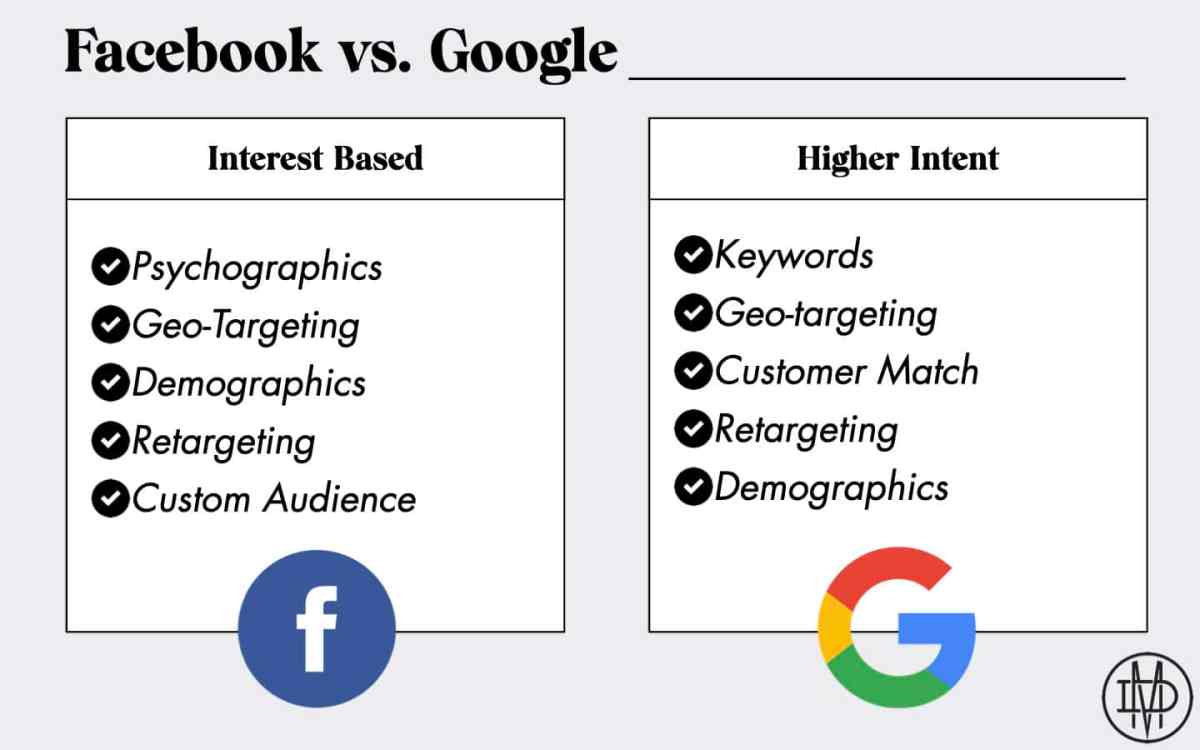
Social media is a goldmine for leads in Spanish. Platforms like Facebook, Instagram, and TikTok have massive Spanish-speaking user bases. But success comes from understanding platform preferences across regions.
- In Latin America, WhatsApp is a primary communication tool—use it for lead nurturing.
- X (formerly Twitter) is widely used in Spain for customer service and brand engagement.
- TikTok has exploded in popularity among younger Spanish speakers in the U.S. and Mexico.
Running targeted ads in Spanish on these platforms can yield high ROI. For example, a study by Socialbakers found that Spanish-language Facebook ads have a 25% higher click-through rate in Latin America than English ones.
4. Use SEO to Rank in Spanish Search Engines
Search engine optimization isn’t just for English. To attract organic leads in Spanish, you need a solid SEO strategy tailored to Spanish keywords and search behavior.
- Conduct keyword research using tools like Ahrefs or SEMrush with Spanish language filters.
- Target long-tail keywords like “cómo generar leads en español” or “mejores estrategias de marketing digital en México”.
- Optimize meta titles, descriptions, and alt text in Spanish.
Don’t forget local search engines. While Google dominates, some regions use local alternatives. In Spain, for example, Ecosia (an eco-friendly search engine) has a growing user base.
5. Build Email Campaigns That Convert
Email remains one of the most effective channels for nurturing leads in Spanish. But generic translations won’t cut it. Your emails must reflect the tone, timing, and expectations of your audience.
- Use personalization: Spanish speakers appreciate warmth and familiarity.
- Send emails during local business hours—avoid weekends in conservative markets.
- Include clear CTAs like “Descarga tu guía gratuita” instead of literal translations like “Download your free guide”.
Mailchimp reports that segmented email campaigns in Spanish see open rates up to 40% higher than non-segmented ones.
6. Partner with Local Influencers
Influencer marketing is booming in the Spanish-speaking world. Collaborating with trusted local figures can dramatically boost your credibility and lead generation.
- In Mexico, influencers like Yuya (beauty) and Luisito Comunica (travel) have millions of followers.
- In Spain, El Rubius (gaming) and Ariannapop (lifestyle) dominate digital spaces.
- Micro-influencers (10k–100k followers) often have higher engagement rates than mega-influencers.
A campaign with a well-chosen influencer can generate thousands of qualified leads in Spanish within weeks. Platforms like AspireIQ help brands find and manage influencer partnerships globally.
7. Offer Bilingual Customer Support
Nothing kills a lead faster than poor customer service. Offering support in Spanish shows respect and builds trust. Whether through live chat, phone, or email, bilingual support can be the deciding factor in conversion.
- Train support teams in cultural etiquette and regional dialects.
- Use chatbots with natural Spanish language processing (e.g., via Intercom).
- Provide FAQs and knowledge bases in Spanish.
According to Zendesk, companies offering multilingual support see 30% higher customer satisfaction and retention rates.
Common Mistakes to Avoid When Targeting Leads in Spanish
Even well-intentioned campaigns can fail if they overlook key pitfalls. Avoiding these common errors will save time, money, and brand reputation when pursuing leads in Spanish.
Mistake 1: Relying on Machine Translation
Google Translate and other AI tools have improved, but they still struggle with context, idioms, and tone. A literal translation can result in awkward or even offensive messages.
- Example: Translating “break the ice” might become “romper el hielo,” which is technically correct but rarely used in conversational Spanish.
- Better approach: Use native-speaking copywriters or professional localization services.
Investing in human translation pays off in credibility and conversion rates.
Mistake 2: Ignoring Regional Differences
Treating all Spanish speakers as a monolithic group is a critical error. What works in Argentina may not resonate in Puerto Rico. Regional preferences affect everything from product naming to marketing tone.
- In Chile, “fome” means boring; in other countries, it’s not commonly used.
- Product names may need adjustment: “Cheerios” became “Zereales” in some Latin markets to avoid confusion.
Conduct market-specific research before launching campaigns.
Mistake 3: Overlooking Mobile Optimization
In many Spanish-speaking countries, mobile internet usage far exceeds desktop. In Latin America, over 70% of web traffic comes from mobile devices.
- Ensure your lead capture forms are mobile-friendly.
- Optimize page load speed—slow sites increase bounce rates.
- Use responsive design for emails and landing pages.
Google’s Mobile-Friendly Test tool can help identify issues before launch.
Tools and Technologies to Scale Leads in Spanish
Scaling your lead generation efforts in Spanish requires the right tech stack. From CRM systems to AI-powered chatbots, the right tools can automate, personalize, and optimize your outreach.
CRM Systems with Multilingual Support
Customer Relationship Management (CRM) platforms are essential for tracking and nurturing leads in Spanish. Look for systems that support multilingual data entry, communication, and reporting.
- Salesforce offers robust localization features, including Spanish language interfaces and automated translation workflows.
- HubSpot CRM allows custom properties for language preference and regional segmentation.
- Zoho CRM supports multiple languages and integrates with local payment gateways.
These platforms help you maintain consistent communication and follow-up in the customer’s preferred language.
AI-Powered Chatbots for Instant Engagement
Chatbots can capture leads 24/7, even outside business hours. When programmed in Spanish, they provide immediate responses and guide users toward conversion.
- ManyChat supports Spanish and integrates with WhatsApp and Facebook Messenger.
- Drift and Intercom offer AI chatbots with natural language understanding in Spanish.
- Custom bots can qualify leads by asking questions like “¿En qué podemos ayudarte hoy?”
According to Gartner, businesses using AI chatbots see a 35% increase in lead capture efficiency.
Localization Platforms for Content Management
Managing content across multiple Spanish dialects can be complex. Localization platforms streamline the process of translating, reviewing, and publishing content.
- Smartling and Lokalise offer enterprise-grade solutions for multilingual content.
- These tools integrate with CMS platforms like WordPress and Shopify.
- They support collaboration between translators, editors, and marketers.
Using a dedicated localization platform reduces errors and ensures brand consistency across regions.
Measuring the Success of Your Spanish Lead Generation Campaigns
Generating leads in Spanish is only half the battle. To ensure long-term success, you must track performance and optimize based on data.
Key Metrics to Monitor
Not all metrics are created equal. Focus on those that directly reflect the health of your lead generation efforts.
- Conversion Rate: Percentage of visitors who become leads (e.g., fill out a form).
- Cost Per Lead (CPL): How much you spend to acquire each lead.
- Lead Quality: Measured by sales team feedback or conversion to customer.
- Engagement Rate: Time on page, bounce rate, and social interactions.
Google Analytics allows you to segment traffic by language and region, giving you clear insights into Spanish-speaking user behavior.
A/B Testing for Continuous Improvement
Even small changes can have a big impact. A/B testing different versions of your content, CTAs, and design elements helps identify what works best for Spanish-speaking audiences.
- Test headlines: “Obtén tu consulta gratuita” vs. “Habla con un experto hoy”.
- Experiment with button colors and placement.
- Compare email subject lines for open rates.
Tools like Optimizely and VWO make it easy to run multivariate tests on landing pages targeting leads in Spanish.
ROI Calculation and Budget Allocation
Ultimately, you need to know if your investment in Spanish lead generation is paying off. Calculate ROI by comparing revenue generated from Spanish-speaking customers to the cost of acquisition.
- Formula: (Revenue from Spanish Leads – Cost of Campaign) / Cost of Campaign.
- Use UTM parameters to track traffic sources accurately.
- Reallocate budget to high-performing channels (e.g., influencer marketing vs. paid ads).
Companies that track ROI by language and region make smarter, data-driven decisions.
Future Trends in Spanish-Language Lead Generation
The landscape for leads in Spanish is evolving rapidly. Staying ahead of trends ensures your strategies remain effective and competitive.
Rise of Voice Search and Smart Assistants
As voice-activated devices like Alexa and Google Assistant gain popularity in Spanish-speaking homes, optimizing for voice search is becoming crucial.
- Use conversational keywords like “¿dónde comprar zapatos cómodos cerca de mí?”
- Ensure your business is listed on local directories in Spanish.
- Optimize for featured snippets, which voice assistants often read aloud.
According to Comscore, 50% of searches will be voice-based by 2025, many in Spanish.
Growth of Video Marketing in Spanish
Video is the most engaging content format—and it’s exploding in the Spanish-speaking world. Platforms like YouTube and TikTok are driving this trend.
- Create short, educational videos (e.g., “5 tips para generar leads en español”).
- Use subtitles in Spanish, even for spoken content.
- Collaborate with Spanish-speaking YouTubers for product reviews.
Wyzowl’s 2023 report shows that 87% of marketers using video see a positive ROI, especially in non-English markets.
Increased Use of AI for Personalization
Artificial intelligence is enabling hyper-personalized marketing at scale. For leads in Spanish, AI can tailor messages based on location, behavior, and language preference.
- Dynamic content that changes based on user’s country.
- AI-driven email subject line optimization.
- Chatbots that remember past interactions in Spanish.
As AI tools become more accessible, even small businesses can deliver enterprise-level personalization.
Case Studies: Brands Winning with Leads in Spanish
Real-world examples prove that effective strategies for generating leads in Spanish deliver tangible results.
Case Study 1: Netflix’s Localization Strategy
Netflix doesn’t just translate its content—it localizes it. From dubbing shows with regional accents to creating Spanish-language originals like “La Casa de Papel,” Netflix has mastered cultural relevance.
- Result: Over 70% of Latin American subscribers engage primarily with Spanish content.
- Lead generation through free trials is boosted by culturally resonant messaging.
Their success shows that deep localization drives engagement and conversion.
Case Study 2: Shopify’s Spanish Market Expansion
Shopify launched a fully localized platform for Spanish speakers, including customer support, documentation, and marketing.
- They partnered with local payment gateways like Oxxo in Mexico.
- Created region-specific webinars and guides.
Within two years, Shopify saw a 200% increase in merchant sign-ups from Latin America.
Case Study 3: Coca-Cola’s “Abre la Felicidad” Campaign
Coca-Cola’s Spanish version of “Open Happiness” resonated emotionally across cultures. The campaign used music, local art, and community events to build brand affinity.
- Led to a 15% increase in brand recall in Spanish-speaking markets.
- Generated millions of social media leads through user-generated content.
Emotional connection, not just language, was key to their success.
What does ‘leads in Spanish’ mean?
Leads in Spanish refers to potential customers or prospects who communicate in Spanish and are generated through marketing efforts tailored to Spanish-speaking audiences. This includes form submissions, email sign-ups, and inquiries made in Spanish.
How do I generate leads in Spanish effectively?
To generate leads in Spanish, create culturally relevant content, optimize landing pages, use localized SEO, run targeted social media ads, and offer bilingual customer support. Avoid machine translation and invest in native-speaking copywriters.
Which countries have the most potential for Spanish leads?
Mexico, Colombia, Argentina, Spain, and the United States (Hispanic population) are top markets for generating leads in Spanish due to large populations, high internet penetration, and strong consumer spending.
Can I use English content with Spanish subtitles?
While subtitles help, they’re not enough. Fully localized content—written in Spanish with cultural context—performs significantly better in engagement and conversion than subtitled English content.
What tools help manage leads in Spanish?
CRM systems like Salesforce and HubSpot, localization platforms like Smartling, and AI chatbots like ManyChat support Spanish and help scale lead generation efforts efficiently.
Generating leads in Spanish is no longer optional—it’s essential for businesses aiming to grow globally. From understanding cultural nuances to leveraging AI and localization tools, the strategies outlined here provide a comprehensive roadmap. By avoiding common mistakes and learning from successful brands, you can build a powerful, scalable lead generation engine that speaks directly to the hearts and minds of Spanish-speaking audiences. Start today, and watch your outreach—and revenue—soar.
Further Reading: