Want to grow your business? It all starts with one thing: leads. Without leads, there’s no sales pipeline, no conversions, and no revenue. But not all leads are created equal—some vanish fast, while others turn into loyal customers. In this deep dive, we’ll uncover the secrets to generating, nurturing, and converting high-quality leads consistently.
What Are Leads and Why They Matter

At the heart of every successful business lies a steady stream of leads. But what exactly are leads? In simple terms, a lead is any individual or organization that shows interest in your product or service. This interest could come from filling out a form, subscribing to a newsletter, or downloading a free resource. The goal? Turn that interest into a paying customer.





The Definition of a Lead
A lead is more than just a name and email. It’s a potential customer who has taken a specific action indicating interest. According to Investopedia, a lead is “a potential sales contact”—someone who might be persuaded to buy your offering. This could be someone who clicks on your ad, visits your landing page, or engages with your content.
- Leads are the starting point of the sales funnel.
- They can come from online or offline sources.
- Not all leads are sales-ready; some need nurturing.
Types of Leads: MQLs, SQLs, and More
Not all leads are the same. Businesses categorize them based on readiness to buy:
Marketing Qualified Leads (MQLs): These are leads who’ve engaged with your marketing content but aren’t ready to talk to sales yet.For example, someone who downloads an eBook.Sales Qualified Leads (SQLs): These leads have been vetted by the sales team and show strong buying intent, like requesting a demo.Product Qualified Leads (PQLs): Common in SaaS, these users have experienced your product (e.g., free trial) and shown signs of conversion potential.Information Qualified Leads (IQLs): These leads have provided contact details in exchange for information, like pricing or a brochure.
.”A lead is not just a data point—it’s a human being with a problem you can solve.” — HubSpot
How Leads Fuel Business Growth
Leads are the lifeblood of any revenue-generating business.Without a consistent flow of leads, even the best products can fail.Think of leads as the raw material for your sales engine.The more high-quality leads you generate, the greater your chances of closing deals and scaling your business..
Leads as the Foundation of Sales Pipelines
Your sales pipeline starts with leads. Every closed deal began as a lead at some point. A well-structured pipeline tracks leads from initial contact through nurturing, qualification, and conversion. According to Salesforce, companies with optimized sales pipelines see up to 28% higher revenue growth.
- Leads populate your CRM and keep your pipeline full.
- They allow sales teams to forecast revenue accurately.
- Tracking lead progression helps identify bottlenecks.
The Revenue Impact of Quality Leads
It’s not just about quantity—quality matters. High-quality leads are more likely to convert, require less follow-up, and have higher customer lifetime value (CLV). A study by MarketingProfs found that poor lead quality costs businesses up to 20% in lost revenue annually.
- Quality leads reduce customer acquisition costs (CAC).
- They shorten the sales cycle.
- They improve customer satisfaction and retention.
7 Proven Strategies to Generate Leads
Generating leads isn’t about luck—it’s about strategy. The most successful businesses use a mix of proven tactics to attract, capture, and convert leads. Below are seven powerful methods backed by data and real-world results.
1. Content Marketing That Converts
Content is king when it comes to lead generation. By creating valuable, relevant content, you attract visitors who are actively searching for solutions. Blogs, eBooks, whitepapers, and videos can all serve as lead magnets.
- Use SEO-optimized blog posts to rank for buyer-intent keywords.
- Offer gated content (e.g., “Download our free guide”) in exchange for contact info.
- Promote content via email, social media, and paid ads.
“Content marketing generates 3x as many leads as traditional outbound marketing, at 62% less cost.” — DemandMetric
2. High-Converting Landing Pages
Your landing page is where visitors become leads. A well-designed landing page focuses on one goal: conversion. It should have a clear headline, compelling copy, a strong call-to-action (CTA), and minimal distractions.
- Use A/B testing to optimize headlines, forms, and CTAs.
- Keep forms short—only ask for essential information.
- Include social proof (testimonials, trust badges) to build credibility.
3. Social Media Lead Generation
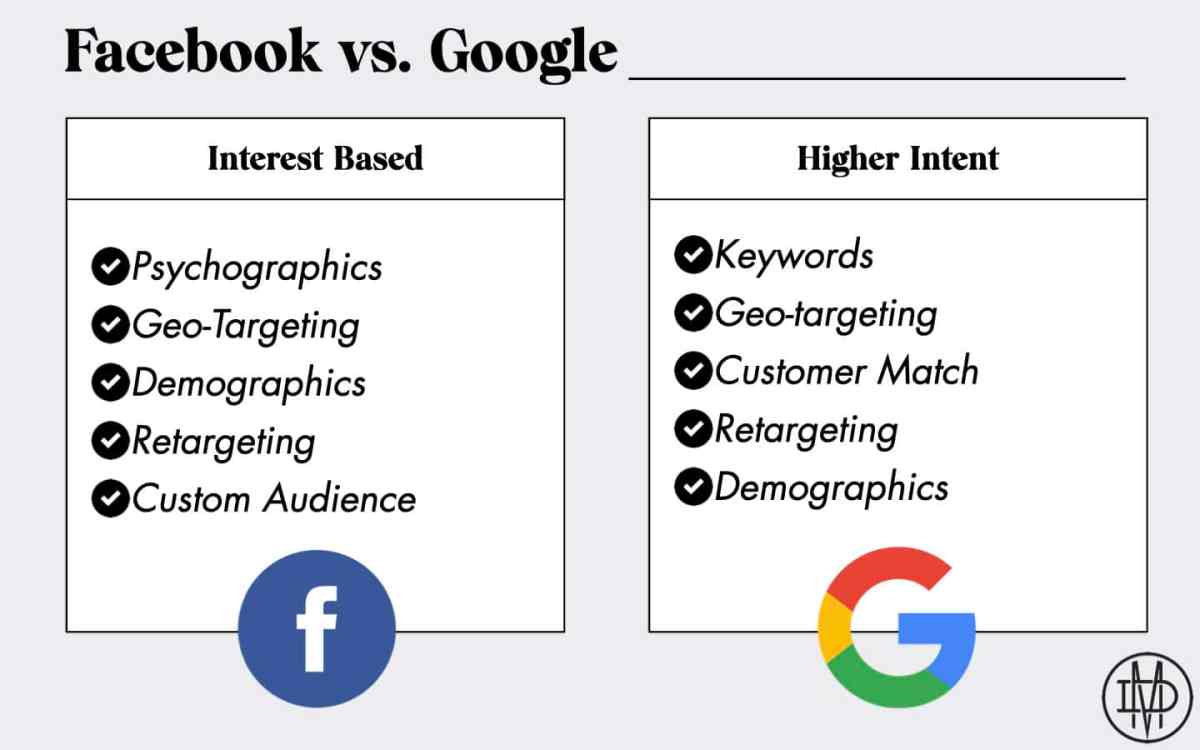
Social platforms like LinkedIn, Facebook, and Instagram offer powerful tools for capturing leads. From lead ads to direct messaging, social media allows you to engage prospects where they spend their time.
- Use Facebook Lead Ads to collect info without leaving the platform.
- Leverage LinkedIn InMail for B2B lead outreach.
- Run contests and giveaways to boost engagement and capture emails.
4. Email Marketing Campaigns
Email remains one of the highest ROI channels for lead nurturing. With an average return of $42 for every $1 spent, it’s a must-have in your lead strategy.
- Build your list with lead magnets and opt-in forms.
- Segment your audience for personalized messaging.
- Use drip campaigns to nurture leads over time.
5. Search Engine Optimization (SEO)
SEO helps you attract organic traffic from search engines—visitors who are actively looking for what you offer. By optimizing your site for keywords related to your product, you can generate a steady stream of free, high-intent leads.
- Target long-tail keywords with buyer intent (e.g., “best CRM for small business”).
- Optimize on-page elements: title tags, meta descriptions, headers.
- Build backlinks from authoritative sites to boost domain authority.
6. Paid Advertising (PPC)
Pay-per-click (PPC) advertising, especially through Google Ads and social platforms, allows you to target specific audiences and drive immediate traffic to your lead capture pages.
- Use targeted keywords and audience segmentation.
- Retarget website visitors who didn’t convert.
- Monitor ROI and adjust bids based on conversion data.
7. Webinars and Live Events
Webinars are one of the most effective ways to generate high-quality leads. They position you as an expert, provide value, and allow for real-time engagement.
- Promote webinars through email, social media, and ads.
- Require registration to capture lead data.
- Follow up with attendees and no-shows using automated emails.
Lead Capture Techniques That Work
Generating traffic is only half the battle. The real challenge is capturing that traffic as leads. Effective lead capture techniques turn anonymous visitors into identifiable prospects.
Optimized Lead Forms
Your lead form is the gateway to conversion. If it’s too long or confusing, people will abandon it. Best practices include:
- Ask only for essential information (name, email, company).
- Use inline validation to reduce errors.
- Offer privacy assurances to increase trust.
Exit-Intent Popups
Exit-intent technology detects when a user is about to leave your site and triggers a popup offering a last-chance incentive, like a discount or free guide.
- Use compelling offers to reduce bounce rates.
- Time the popup correctly—too early feels intrusive.
- Test different messages and designs for maximum impact.
Chatbots and Live Chat
Real-time engagement tools like chatbots can capture leads 24/7. They answer questions, qualify visitors, and collect contact info without human intervention.
- Use AI-powered chatbots to qualify leads based on responses.
- Route high-intent leads to sales reps instantly.
- Integrate with your CRM for seamless follow-up.
Nurturing Leads for Maximum Conversion
Only 25% of leads are ready to buy immediately. The rest need nurturing. Lead nurturing is the process of building relationships with prospects over time, providing value, and guiding them toward a purchase decision.
The Role of Drip Campaigns
Drip campaigns are automated email sequences that deliver targeted content based on user behavior or timeline. For example, a new subscriber might receive a welcome email, followed by a case study, then a product demo offer.
- Segment leads by behavior (e.g., downloaded a guide vs. attended a webinar).
- Use personalization to increase open and click rates.
- Include clear CTAs in every email.
Personalization and Behavioral Targeting
Generic messages get ignored. Personalized content, based on user behavior, location, or industry, dramatically increases engagement.
- Use dynamic content in emails and on landing pages.
- Recommend content based on past interactions.
- Leverage CRM data to tailor messaging.
Lead Scoring to Prioritize Follow-Up
Lead scoring assigns points to leads based on their actions (e.g., visiting pricing page = +10 points) and demographics (e.g., job title = +5 points). This helps sales teams focus on the hottest leads.
- Define scoring criteria with input from sales and marketing.
- Automate scoring using marketing automation tools.
- Re-score leads regularly as behavior changes.
Tools and Technologies for Managing Leads
Managing leads manually is inefficient and error-prone. The right tools can automate capture, scoring, nurturing, and handoff to sales.
Customer Relationship Management (CRM) Systems
A CRM like Zoho CRM or Salesforce is essential for tracking every interaction with a lead. It centralizes data, automates workflows, and provides insights into lead health.
- Store contact details, communication history, and deal stages.
- Set reminders for follow-ups.
- Generate reports on lead conversion rates.
Marketing Automation Platforms
Tools like HubSpot, Marketo, and ActiveCampaign automate lead nurturing, scoring, and segmentation.
- Trigger emails based on user behavior.
- Score leads automatically.
- Sync data between marketing and sales teams.
Lead Intelligence and Enrichment Tools
Solutions like Clearbit and LinkedIn Sales Navigator enrich lead data with firmographic and behavioral insights, helping you understand prospects better.
- Enrich email signups with job title, company size, and industry.
- Identify decision-makers within target accounts.
- Improve targeting for ABM (Account-Based Marketing) strategies.
Measuring Lead Generation Success
You can’t improve what you don’t measure. Tracking key performance indicators (KPIs) helps you understand what’s working and where to optimize.
Key Metrics to Track
Monitor these essential metrics to evaluate your lead generation efforts:
- Conversion Rate: Percentage of visitors who become leads.
- Cost Per Lead (CPL): How much you spend to acquire one lead.
- Lead-to-Customer Rate: Percentage of leads that become paying customers.
- Lead Quality Score: Assessed by sales team feedback or engagement level.
- Time to Conversion: How long it takes a lead to move through the funnel.
Using Analytics to Optimize Campaigns
Tools like Google Analytics, CRM reports, and marketing automation dashboards provide insights into user behavior and campaign performance.
- Identify high-performing content and double down on it.
- Find drop-off points in your funnel and fix them.
- Attribute leads to specific channels to allocate budget wisely.
“What gets measured gets managed.” — Peter Drucker
Common Mistakes in Lead Generation (And How to Avoid Them)
Even experienced marketers make mistakes that hurt lead quality and volume. Avoid these common pitfalls to maximize your results.
Ignoring Lead Quality for Quantity
Chasing high volume without regard for quality leads to wasted effort. Sales teams get frustrated with unqualified leads, and ROI suffers.
- Solution: Implement lead scoring and qualification criteria.
- Align marketing and sales on what defines a “good” lead.
- Use intent data to prioritize high-potential leads.
Poor Follow-Up and Nurturing
Many businesses capture leads but fail to nurture them. A lead that isn’t followed up within 5 minutes is 10x less likely to convert.
- Solution: Automate initial follow-up emails.
- Use multi-touch nurturing sequences.
- Train sales teams on timely outreach.
Not Aligning Sales and Marketing
When sales and marketing teams work in silos, lead handoff breaks down, communication fails, and opportunities are lost.
- Solution: Hold regular alignment meetings.
- Use shared KPIs and definitions (e.g., what is an SQL?).
- Implement closed-loop reporting to track lead performance.
What are leads in marketing?
Leads in marketing refer to individuals or organizations that have shown interest in your product or service by providing contact information or engaging with your content. They are potential customers at the early stage of the buyer’s journey.
How do you generate high-quality leads?
Generate high-quality leads by creating valuable content, optimizing landing pages, using targeted ads, leveraging SEO, and nurturing prospects with personalized email campaigns. Focus on intent and relevance over volume.
What is the difference between MQL and SQL?
A Marketing Qualified Lead (MQL) has engaged with marketing efforts but isn’t ready for sales. A Sales Qualified Lead (SQL) has been vetted by the sales team and shows clear buying intent, such as requesting a demo or pricing.
What tools help manage leads effectively?
CRM systems like Salesforce, marketing automation platforms like HubSpot, and lead enrichment tools like Clearbit help manage, nurture, and convert leads efficiently.
How important is lead nurturing?
Extremely important. Over 80% of leads require nurturing before they’re ready to buy. Effective nurturing builds trust, educates prospects, and increases conversion rates by up to 50%.
Leads are the foundation of sustainable business growth. From understanding what leads are to mastering the art of generating, capturing, and nurturing them, every step matters. By implementing the strategies outlined—content marketing, SEO, email campaigns, and smart use of technology—you can build a predictable lead engine. Avoid common mistakes, measure your results, and continuously optimize. Remember, it’s not just about getting more leads, but better ones. With the right approach, your lead pipeline will fuel long-term success.
Further Reading: