Ever wondered what exactly a ‘lead’ is in the world of marketing and sales? The leads definition isn’t just jargon—it’s the lifeblood of every growing business. In simple terms, a lead is someone who shows interest in your product or service. But there’s far more beneath the surface.
Leads Definition: What Exactly Is a Lead?

At its core, the leads definition refers to any individual or organization that has expressed interest in your offerings. This interest can come in many forms—filling out a contact form, subscribing to a newsletter, downloading a free guide, or even engaging with your content on social media.




Basic Characteristics of a Lead
Not every website visitor becomes a lead. A true lead demonstrates some form of engagement that indicates intent. This could be providing contact information or interacting meaningfully with your brand.
- Has shared personal information (e.g., email, phone number)
- Has shown interest through actions like downloads or sign-ups
- Is trackable within a CRM or marketing system
According to Investopedia, a lead is “a potential sales contact,” which underscores the importance of capturing and nurturing these early-stage prospects.
“A lead is not a sale, but it’s the first step toward one.” — MarketingProfs
Why Understanding the Leads Definition Matters
Without a clear grasp of what constitutes a lead, businesses risk misallocating resources. Misidentifying leads can lead to wasted time, poor targeting, and low conversion rates. A precise leads definition helps align marketing and sales teams around common goals.
For example, if your marketing team considers anyone who visits your pricing page a lead, but your sales team only wants fully qualified prospects, misalignment occurs. Defining what a lead is—and isn’t—creates clarity and improves efficiency across departments.
Types of Leads Based on the Leads Definition
Not all leads are created equal. Once you understand the basic leads definition, the next step is recognizing the different types of leads. Categorizing them helps in designing better follow-up strategies and improving conversion odds.
Marketing Qualified Leads (MQLs)
Marketing Qualified Leads (MQLs) are individuals who have engaged with your marketing efforts but aren’t yet ready for direct sales outreach. They might have downloaded an eBook, attended a webinar, or clicked through several blog posts.
MQLs are identified based on behavioral data—what they’ve done on your site—and demographic fit. For instance, a software company might define an MQL as someone in a tech role who downloaded a whitepaper on cloud security.
The goal with MQLs is to nurture them further through email sequences, targeted content, and retargeting ads until they’re ready to talk to sales.
Sales Qualified Leads (SQLs)
Sales Qualified Leads (SQLs) are leads that marketing has passed to the sales team because they’ve shown clear buying intent. This could include requesting a demo, asking for a quote, or directly contacting your sales department.
According to HubSpot, an SQL has met specific criteria indicating they’re ready for a sales conversation. These criteria often include budget, authority, need, and timeline (BANT).
- Expressed interest in purchasing
- Met qualification criteria (e.g., budget, decision-making power)
- Engaged with sales team directly
The transition from MQL to SQL is critical. It requires tight coordination between marketing and sales to ensure no promising lead slips through the cracks.
Product Qualified Leads (PQLs)
Product Qualified Leads (PQLs) are a newer category, especially relevant in SaaS and freemium models. A PQL is someone who has used your product—often in a free or trial version—and demonstrated behaviors that suggest they’re ready to upgrade.
For example, a user who has hit usage limits in a free plan, invited team members, or used key premium features is likely a PQL. Companies like Slack and Dropbox use PQLs extensively to drive conversions.
The advantage of PQLs is that they’ve already experienced value from your product. This reduces friction in the sales process and increases conversion likelihood.
“PQLs are the future of B2B growth—because the product itself becomes the primary marketing engine.” — OpenView Venture Partners
How Leads Are Generated: Channels and Strategies
Understanding the leads definition is only half the battle. The next challenge is generating high-quality leads consistently. This requires a mix of inbound and outbound strategies tailored to your audience.
Inbound Lead Generation
Inbound lead generation focuses on attracting prospects through valuable content and experiences. It’s about pulling people in rather than pushing your message out.
Common inbound tactics include:
- Content marketing (blogs, eBooks, guides)
- Search engine optimization (SEO)
- Social media engagement
- Webinars and online events
A well-optimized blog post targeting the keyword ‘leads definition’ can attract thousands of organic visitors over time. When paired with a lead magnet—like a free checklist or template—it can convert readers into leads.
As Neil Patel explains, inbound marketing builds trust and authority, making it easier to convert leads over time.
Outbound Lead Generation
Outbound lead generation involves reaching out to potential customers directly. This includes cold emailing, cold calling, LinkedIn outreach, and paid advertising.
leads definition – Leads definition menjadi aspek penting yang dibahas di sini.
While often seen as more aggressive, outbound strategies can be highly effective when done right. Personalized cold emails with relevant subject lines have open rates as high as 40–50%, according to SalesLoft.
The key to successful outbound lead gen is targeting. You need accurate data, compelling messaging, and a clear value proposition. Tools like ZoomInfo and Hunter.io help identify and reach decision-makers efficiently.
“Outbound isn’t dead—it’s just smarter now.” — Jason Lemkin, SaaStr
Digital Advertising and Lead Capture
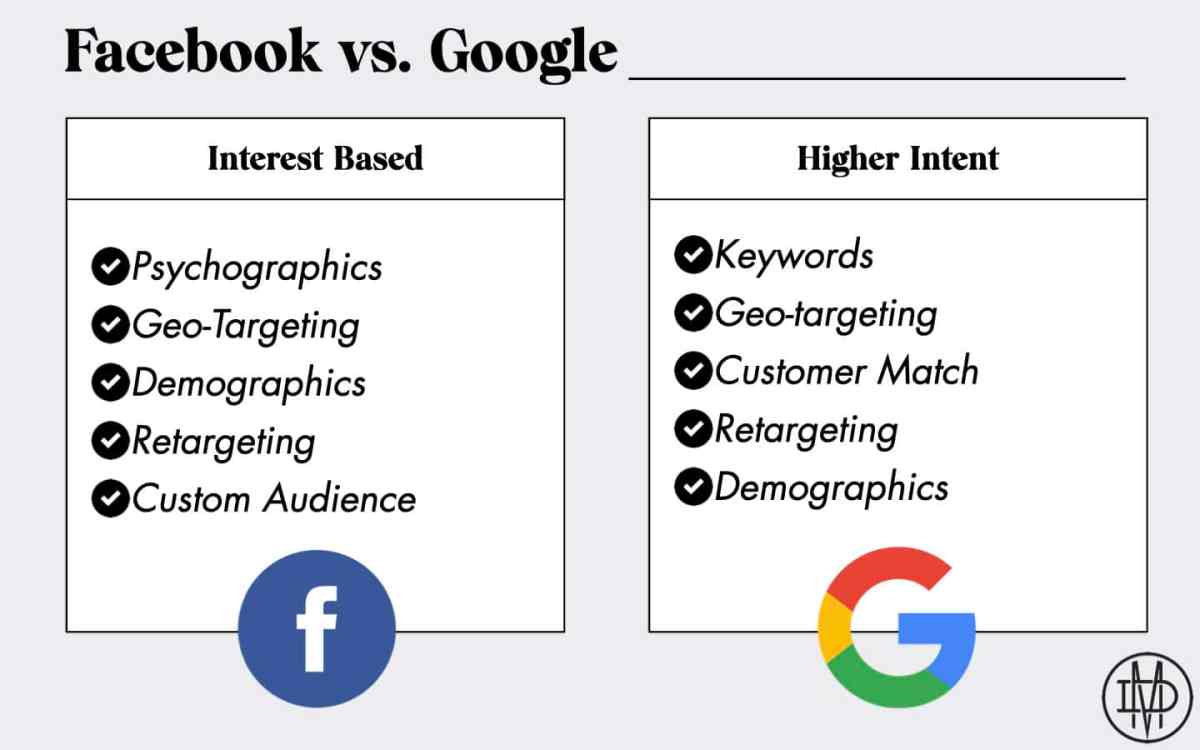
Paid channels like Google Ads, Facebook Ads, and LinkedIn Ads are powerful tools for lead generation. They allow you to target specific demographics, interests, and behaviors with precision.
For example, a B2B company might run LinkedIn ads targeting IT managers in companies with 100+ employees, promoting a free consultation. The ad leads to a landing page with a form—capturing the lead’s information.
Best practices include:
- Using clear, benefit-driven headlines
- Minimizing form fields to reduce friction
- A/B testing ad copy and landing pages
According to WordStream, the average conversion rate for landing pages is around 2.35%, but top performers achieve over 5.31%.
Leads Definition in Different Industries
The way businesses define and handle leads varies significantly across industries. While the core concept remains the same, the criteria for what makes a qualified lead can differ.
B2B vs. B2C Leads
In B2B (business-to-business), leads often go through a longer sales cycle and require multiple touchpoints. A lead might be a decision-maker in a company evaluating software solutions. The leads definition here emphasizes job title, company size, and budget authority.
In contrast, B2C (business-to-consumer) leads are usually individuals making personal purchases. The sales cycle is shorter, and emotional triggers play a bigger role. A lead might be someone who added a product to their cart but didn’t check out.
For example, an e-commerce brand might define a lead as anyone who signs up for a discount code, while a SaaS company might require a demo request before considering someone a lead.
“In B2B, leads are relationships. In B2C, leads are moments.” — Marketing Week
Real Estate Leads
In real estate, a lead could be a buyer looking for homes in a specific neighborhood or a seller interested in listing their property. Lead sources include online portals (Zillow, Realtor.com), open houses, and referrals.
Real estate agents often use Customer Relationship Management (CRM) tools to track leads and follow up promptly. Speed is critical—studies show that agents who contact leads within 5 minutes are 21x more likely to qualify them, according to National Association of Realtors.
The leads definition in real estate often includes intent signals like property views, saved listings, or mortgage calculator usage.
Financial Services Leads
Leads in financial services—such as insurance, banking, or investment—require high levels of trust and compliance. A lead might be someone who requested a retirement planning guide or filled out a loan application form.
Due to regulatory requirements, lead handling in this sector is highly structured. Consent and data privacy (e.g., GDPR, CCPA) are paramount. The leads definition must include explicit opt-ins and clear disclosure of how data will be used.
Lead quality is often measured by financial readiness—e.g., credit score, income level, or investment goals.
Measuring Lead Quality and Conversion
Not all leads are worth the same. A key part of the leads definition process is evaluating lead quality to focus efforts on the most promising prospects.
Lead Scoring Models
Lead scoring assigns numerical values to leads based on their behavior and profile. High scores indicate higher readiness to buy.
Scoring criteria might include:
- Demographics (job title, industry, company size)
- Engagement (email opens, page visits, content downloads)
- Technographic data (tools they use, tech stack)
For example, a lead who downloads a pricing sheet and visits the ‘Contact Sales’ page might get a higher score than one who only read a blog post.
Tools like Marketo, Pardot, and HubSpot offer built-in lead scoring features that automate this process.
“Lead scoring helps sales teams prioritize, increasing conversion rates by up to 300%.” — Forrester Research
Conversion Rates by Lead Type
Understanding how different types of leads convert is essential for optimizing your strategy. Here’s a general benchmark:
leads definition – Leads definition menjadi aspek penting yang dibahas di sini.
- Marketing Qualified Leads (MQLs): 5–15% conversion to SQL
- Sales Qualified Leads (SQLs): 20–50% conversion to customer
- Product Qualified Leads (PQLs): 30–70% conversion to paid user
These numbers vary by industry and business model, but they provide a useful baseline. Tracking these metrics helps identify bottlenecks—e.g., if MQL-to-SQL conversion is low, your qualification criteria may need adjustment.
Cost Per Lead (CPL) and ROI
Cost Per Lead (CPL) measures how much you spend to acquire each lead. It’s calculated as total campaign spend divided by number of leads generated.
For example, if you spend $1,000 on a Google Ads campaign and generate 100 leads, your CPL is $10.
However, CPL alone doesn’t tell the full story. You must also consider:
- Lead quality
- Conversion rate to customer
- Customer lifetime value (LTV)
A low CPL with poor-quality leads may cost more in the long run than a higher CPL with high-converting prospects.
Nurturing Leads: From Interest to Sale
Most leads aren’t ready to buy immediately. The leads definition includes the understanding that nurturing is a critical phase in the customer journey.
Email Drip Campaigns
Email drip campaigns are automated sequences that deliver targeted content over time. They help build trust and keep your brand top-of-mind.
For example, a lead who downloaded a guide on ‘Leads Definition’ might receive a series of follow-up emails:
- Day 1: Thank you + related blog post
- Day 3: Case study showing results
- Day 7: Invitation to a free webinar
- Day 14: Personalized demo offer
According to Campaign Monitor, drip emails generate 18x more revenue than broadcast emails.
“Drip campaigns turn cold leads into warm conversations.” — Mailchimp
Retargeting and Behavioral Triggers
Retargeting ads follow users who’ve interacted with your site but didn’t convert. These ads appear on social media, Google, or other websites they visit.
Behavioral triggers—like abandoning a cart or viewing a pricing page—can activate personalized retargeting campaigns. For instance, a visitor who viewed a demo page but left might see a LinkedIn ad offering a free consultation.
This strategy keeps your brand visible and encourages second looks. Retargeting can increase conversion rates by up to 150%, per AdRoll.
Personalization and Segmentation
One-size-fits-all messaging rarely works. Personalization based on lead data improves engagement and conversion.
Segmentation involves grouping leads by shared characteristics:
- Industry (e.g., healthcare, tech)
- Behavior (e.g., downloaded pricing guide)
- Stage in funnel (awareness, consideration, decision)
Personalized subject lines, for example, boost open rates by 26%, according to Campaign Monitor.
Common Mistakes in Handling Leads
Even with a solid leads definition, businesses often make critical errors that hurt conversion and waste resources.
Ignoring Lead Follow-Up Speed
Speed to lead is one of the most overlooked factors. Research by Salesforce shows that the odds of qualifying a lead drop by 10x if contacted after 24 hours.
Automated responses and instant chatbots can help bridge the gap while a human follows up.
“The first to respond wins the lead.” — InsideSales.com
Poor Lead Qualification
Not all leads should be passed to sales. Sending unqualified leads wastes sales team time and damages morale.
Establish clear criteria for MQL and SQL handoffs. Use lead scoring and regular feedback loops between marketing and sales to refine the process.
Lack of CRM Integration
Without a CRM (Customer Relationship Management) system, leads can fall through the cracks. CRMs like Salesforce, HubSpot, and Zoho centralize lead data, track interactions, and automate workflows.
Integrating your website, email, and ad platforms with a CRM ensures no lead is lost and every touchpoint is recorded.
leads definition – Leads definition menjadi aspek penting yang dibahas di sini.
Future Trends in Lead Generation and Definition
The leads definition is evolving with technology and consumer behavior. Staying ahead requires adapting to new trends and tools.
AI and Predictive Lead Scoring
Artificial Intelligence (AI) is transforming how we identify and score leads. Predictive lead scoring uses machine learning to analyze historical data and predict which leads are most likely to convert.
Platforms like Infer and Lattice Engines use AI to prioritize leads based on thousands of data points, far beyond what humans can process.
This leads to higher efficiency and better conversion rates, especially in complex B2B environments.
Zero-Party Data and Consent-Based Marketing
As privacy regulations tighten, businesses are shifting from third-party data to zero-party data—information customers willingly share.
This includes preferences, purchase intentions, and feedback provided through quizzes, surveys, or preference centers.
Zero-party data improves personalization while building trust. It’s becoming a cornerstone of the modern leads definition in a post-cookie world.
Voice and Conversational Marketing
With the rise of voice assistants and chatbots, conversational marketing is gaining traction. Leads can now be captured through natural conversations on websites, messaging apps, or voice devices.
Tools like Drift and Intercom enable real-time engagement, turning website visitors into leads instantly.
This shift emphasizes immediacy and personalization, redefining how we think about lead capture.
What is the basic leads definition?
A lead is any person or organization that has shown interest in your product or service by providing contact information or engaging with your brand in a measurable way.
What’s the difference between an MQL and an SQL?
A Marketing Qualified Lead (MQL) has engaged with marketing content but isn’t ready for sales. A Sales Qualified Lead (SQL) has been vetted and is ready for direct sales outreach.
How can I improve my lead conversion rate?
Focus on lead quality, follow up quickly, use lead scoring, personalize communication, and align marketing with sales goals.
What is a PQL in the leads definition?
A Product Qualified Lead (PQL) is someone who has used your product (e.g., free trial) and shown behaviors indicating they’re ready to upgrade to a paid plan.
Why is lead nurturing important?
Most leads aren’t ready to buy immediately. Nurturing builds trust, educates prospects, and guides them through the buyer’s journey, increasing the chance of conversion.
Understanding the leads definition is the foundation of any successful marketing and sales strategy. From identifying different types of leads to generating, scoring, and nurturing them, every step impacts your bottom line. As technology evolves, so too does the way we define and engage with leads. By embracing best practices and staying ahead of trends, businesses can turn interest into revenue more effectively than ever before.
leads definition – Leads definition menjadi aspek penting yang dibahas di sini.
Further Reading: