Lead generation isn’t just about collecting names—it’s the lifeblood of sustainable business growth. In today’s digital world, mastering lead generation means turning strangers into loyal customers with precision, strategy, and the right tools.
What Is Lead Generation and Why It Matters

At its core, lead generation is the process of attracting and converting prospects into individuals who have shown interest in your product or service. It’s the first critical step in the sales funnel, bridging the gap between marketing efforts and revenue.





Defining a Lead in Modern Marketing
A ‘lead’ is more than just an email address. It’s a person who has engaged with your brand—whether by downloading a guide, signing up for a webinar, or requesting a demo. The quality of a lead depends on how closely their profile matches your ideal customer.
- Marketing Qualified Lead (MQL): Someone who has interacted with your content and fits your target audience but isn’t yet ready to buy.
- Sales Qualified Lead (SQL): A lead that has shown buying intent, often through direct engagement with sales teams or pricing pages.
- Product Qualified Lead (PQL): Common in SaaS, this lead has used your product (e.g., via a free trial) and demonstrated behaviors indicating purchase readiness.
The Role of Lead Generation in Business Growth
Without a steady stream of leads, even the best products can fail. Lead generation fuels pipelines, supports sales teams, and provides data for refining marketing strategies. According to HubSpot, companies that excel at lead generation grow 2.5x faster than their peers (HubSpot, 2023).
“Lead generation is not a tactic—it’s a business function that aligns marketing, sales, and customer success.” — Mark Roberge, Former Chief Revenue Officer at HubSpot
7 Proven Lead Generation Strategies That Work in 2024
Not all lead generation tactics are created equal. The most effective strategies combine value, targeting, and automation. Below are seven high-impact methods proven to generate quality leads consistently.
1. Content Marketing with Gated Offers
Content remains king, but strategic content is what drives lead generation. By offering valuable resources—like e-books, templates, or whitepapers—in exchange for contact information, you create a win-win: the user gains insight, and you gain a lead.
- Create in-depth guides that solve specific pain points (e.g., “The Ultimate SEO Checklist for 2024”).
- Use landing pages with clear calls-to-action (CTAs) and minimal form fields to reduce friction.
- Leverage tools like ConvertKit or ActiveCampaign to automate delivery and follow-up.
2. Search Engine Optimization (SEO) for Organic Lead Capture
SEO isn’t just about rankings—it’s a long-term lead generation engine. When users search for solutions you offer, appearing at the top of Google increases visibility and trust.
- Optimize for long-tail keywords like “best CRM for small real estate agencies” to attract high-intent traffic.
- Use schema markup to enhance rich snippets and improve click-through rates.
- Regularly update blog content to maintain relevance and authority.
According to Ahrefs, pages ranking in the top 3 positions on Google receive over 60% of all clicks (Ahrefs, 2023), making SEO a non-negotiable for lead generation.
3. Paid Advertising with Precision Targeting
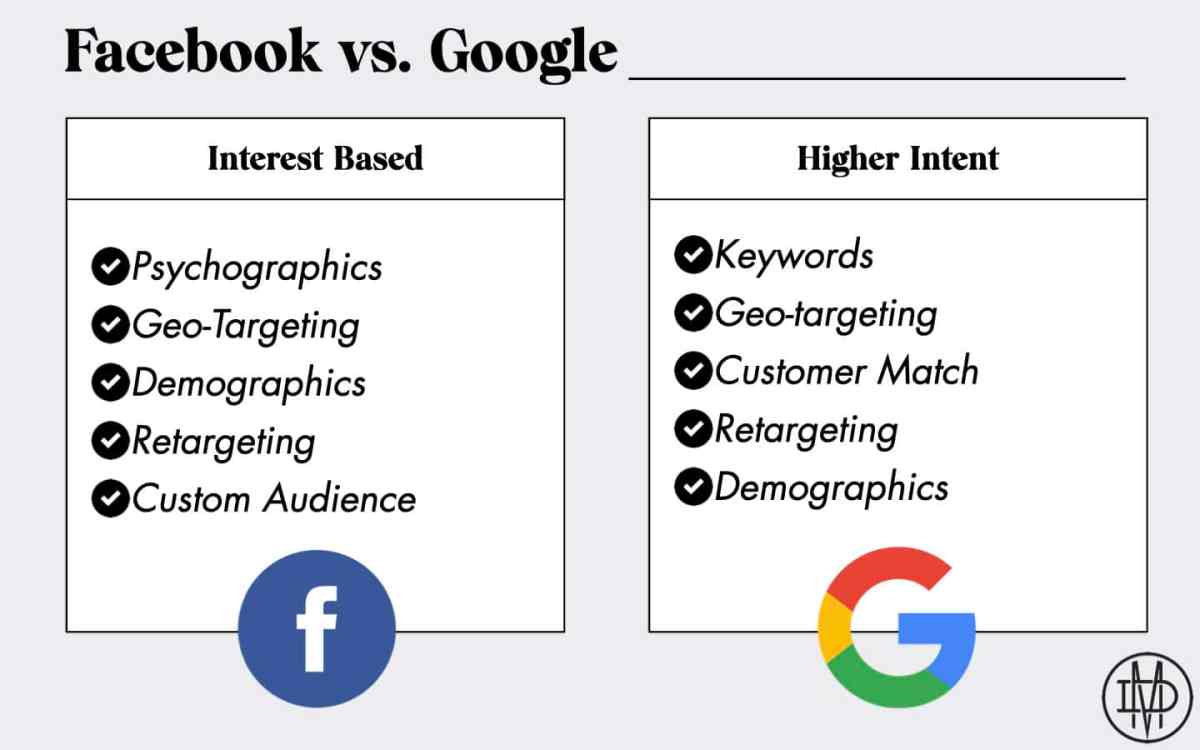
Paid ads offer immediate visibility and scalable lead generation. Platforms like Google Ads and LinkedIn Ads allow hyper-targeted campaigns based on behavior, job title, industry, and more.
- Use Google Search Ads for high-intent keywords (e.g., “CRM software pricing”).
- Leverage LinkedIn Sponsored Content to reach decision-makers in B2B markets.
- Retarget website visitors with display ads to re-engage cold traffic.
Conversion tracking and A/B testing are essential to maximize ROI. Tools like Unbounce help create high-converting landing pages tailored to ad campaigns.
4. Social Media Engagement and Lead Forms
Social platforms are no longer just for brand awareness—they’re powerful lead generation tools. Facebook Lead Ads, LinkedIn Lead Gen Forms, and Instagram contact buttons allow users to submit information without leaving the app.
- Run contests or webinars promoted through Facebook and Instagram.
- Use LinkedIn to share case studies and thought leadership content that attracts B2B leads.
- Engage in niche communities (e.g., Reddit, Facebook Groups) to build trust before pitching.
Social proof and direct engagement significantly increase conversion rates. A study by Hootsuite found that 72% of consumers prefer to connect with brands via social media for customer service and inquiries (Hootsuite, 2023).
5. Email Marketing with Lead Nurturing Sequences
Email is still one of the highest ROI channels for lead generation. But it’s not just about sending blasts—it’s about nurturing leads with personalized, value-driven content.
- Use lead magnets to grow your list organically.
- Set up automated drip campaigns based on user behavior (e.g., abandoned downloads, page visits).
- Segment your audience by industry, interest, or stage in the buyer’s journey.
According to Campaign Monitor, segmented email campaigns drive 30% more opens and 50% higher click-through rates. Tools like Mailchimp and Klaviyo make automation accessible even for small teams.
6. Webinars and Live Events for High-Intent Leads
Webinars are one of the most effective ways to generate qualified leads. They position your brand as an authority and allow real-time interaction.
- Choose topics that address urgent industry challenges.
- Promote through email, social media, and partner channels.
- Follow up with attendees using personalized offers or consultations.
GoToWebinar reports that the average registration-to-attendance rate is 40–50%, and 20–40% of attendees convert into sales opportunities (GoToWebinar, 2023).
7. Referral and Partner Marketing Programs
People trust recommendations from peers more than ads. Referral programs incentivize existing customers or partners to bring in new leads.
- Offer discounts, credits, or cash rewards for successful referrals.
- Partner with complementary businesses to co-host events or co-create content.
- Use platforms like ReferralRock to automate tracking and payouts.
Word-of-mouth marketing generates 5x more referrals than paid media, according to Nielsen.
Essential Tools for Effective Lead Generation
Scaling lead generation requires the right technology stack. From CRM systems to automation platforms, the tools you choose can make or break your efforts.
Customer Relationship Management (CRM) Systems
A CRM is the backbone of any lead generation strategy. It stores lead data, tracks interactions, and helps sales teams prioritize follow-ups.
- HubSpot CRM: Free, user-friendly, and integrates seamlessly with marketing tools.
- Salesforce: Enterprise-grade with advanced analytics and customization.
- Zoho CRM: Affordable option for small to mid-sized businesses.
CRMs enable lead scoring, workflow automation, and pipeline visibility—critical for converting leads efficiently.
Marketing Automation Platforms
Automation ensures no lead falls through the cracks. These platforms deliver personalized content at scale based on user behavior.
- ActiveCampaign: Combines email marketing, automation, and CRM in one.
- Marketo: Ideal for B2B companies with complex nurturing paths.
- Klaviyo: Best for e-commerce brands focused on transactional data.
Automation can increase lead conversion rates by up to 50%, according to Nucleus Research.
Landing Page and Form Builders
Your conversion rate hinges on how well your landing pages are designed. Tools like Unbounce, Leadpages, and Instapage allow drag-and-drop creation of high-performing pages without coding.
- Use A/B testing to optimize headlines, CTAs, and form length.
- Integrate with your CRM and email platform for instant lead capture.
- Add trust elements like testimonials, security badges, and privacy policies.
How to Qualify and Score Leads Effectively
Not all leads are equal. Generating 1,000 leads means nothing if none are sales-ready. Lead qualification separates tire-kickers from true buyers.
Using the BANT Framework
BANT (Budget, Authority, Need, Timeline) is a classic sales qualification model still widely used today.
- Budget: Does the lead have the financial resources to purchase?
- Authority: Is the contact a decision-maker or influencer?
- Need: Do they have a clear problem your product solves?
- Timeline: Are they looking to buy within a defined period?
Sales teams use BANT to prioritize outreach and avoid wasting time on unqualified prospects.
Implementing Lead Scoring Models
Lead scoring assigns numerical values to leads based on demographic and behavioral data. High scores indicate higher purchase intent.
- Demographic scoring: Job title, company size, industry, location.
- Behavioral scoring: Page visits, email opens, content downloads, webinar attendance.
- Set thresholds (e.g., 75+ points) to automatically pass leads to sales.
Marketo found that companies using lead scoring experience a 77% increase in lead conversion rates.
Integrating Sales and Marketing Alignment (Smarketing)
One of the biggest barriers to effective lead generation is misalignment between sales and marketing. ‘Smarketing’ ensures both teams agree on lead definitions, handoff processes, and performance metrics.
- Hold regular sync meetings to review lead quality and feedback.
- Create a Service Level Agreement (SLA) defining how many leads marketing must deliver and how quickly sales will follow up.
- Use shared dashboards in CRM tools to track progress transparently.
“The most successful companies don’t have marketing and sales. They have revenue teams.” — Sangram Vajre, Co-Founder of Terminus
Measuring the Success of Your Lead Generation Campaigns
What gets measured gets improved. Tracking the right KPIs helps you refine strategies, allocate budgets wisely, and prove ROI.
Key Performance Indicators (KPIs) for Lead Generation
Focus on metrics that reflect both volume and quality of leads.
- Cost Per Lead (CPL): Total campaign spend divided by number of leads generated.
- Conversion Rate: Percentage of visitors who become leads (e.g., form submissions / total traffic).
- Lead-to-Customer Rate: How many leads actually become paying customers.
- Return on Ad Spend (ROAS): Revenue generated per dollar spent on advertising.
Google Analytics 4 and UTM parameters are essential for tracking traffic sources and conversions accurately.
A/B Testing for Continuous Optimization
Small changes can have big impacts. A/B testing allows you to experiment with different versions of landing pages, emails, and ads.
- Test one variable at a time: headlines, button colors, form length, or images.
- Use statistical significance to determine winners (tools like Optimizely or VWO help).
- Apply winning variations across campaigns to boost performance.
HubSpot found that companies running A/B tests on their emails see up to 30% higher engagement rates.
Using Analytics to Refine Your Strategy
Data doesn’t lie. Regular analysis reveals what’s working and what’s not.
- Identify top-performing content and double down on similar topics.
- Spot drop-off points in your funnel (e.g., high traffic but low conversions on a landing page).
- Adjust targeting based on geographic, device, or demographic performance.
Tools like Google Data Studio or Tableau can visualize data for easier decision-making.
Common Lead Generation Mistakes to Avoid
Even experienced marketers fall into traps that sabotage lead generation. Awareness is the first step to prevention.
Targeting Too Broadly
Trying to appeal to everyone often means resonating with no one. Generic messaging fails to address specific pain points.
- Solution: Develop detailed buyer personas based on research and data.
- Use segmentation to tailor messages to different audience groups.
Overlooking Lead Nurturing
Only 2% of leads convert on first contact. The rest need nurturing through multiple touchpoints.
- Solution: Build email sequences that educate, build trust, and guide leads toward a decision.
- Use retargeting ads to stay top-of-mind.
“It takes an average of 8 touchpoints to convert a lead into a customer.” — Marketing Insider Group
Poor Follow-Up Practices
Leads go cold fast. Research shows that 50% of sales go to the vendor that responds first.
- Solution: Automate initial responses and set strict SLAs for sales follow-up (e.g., within 5 minutes).
- Use chatbots or live chat to engage visitors in real time.
Future Trends in Lead Generation
The lead generation landscape is evolving rapidly. Staying ahead requires embracing innovation and adapting to new behaviors.
Artificial Intelligence and Predictive Lead Scoring
AI is transforming how we identify and engage leads. Machine learning models analyze vast datasets to predict which leads are most likely to convert.
- Tools like Salesforce Einstein and HubSpot AI offer predictive lead scoring and content recommendations.
- AI chatbots qualify leads 24/7, capturing information even outside business hours.
Privacy-First Lead Generation
With the decline of third-party cookies and stricter data laws (GDPR, CCPA), marketers must adapt.
- Focus on first-party data collection through value exchanges (e.g., content upgrades).
- Be transparent about data usage and obtain explicit consent.
- Build trust through ethical marketing practices.
Apple’s App Tracking Transparency and Google’s Privacy Sandbox are reshaping digital advertising, making contextual targeting more important than ever.
Rise of Conversational Marketing
Customers want instant answers. Conversational marketing—using chatbots, live chat, and messaging apps—delivers real-time engagement.
- Drift and Intercom enable personalized conversations at scale.
- Use chatbots to qualify leads, book meetings, and answer FAQs.
- Integrate with CRM to log interactions automatically.
Conversational marketing can reduce response time from hours to seconds, dramatically improving conversion rates.
What is lead generation?
Lead generation is the process of attracting and converting individuals into potential customers by capturing their interest in your product or service, typically through contact information like email or phone number.
What are the best lead generation strategies in 2024?
The most effective strategies include content marketing with gated offers, SEO, paid advertising, social media lead forms, email nurturing, webinars, and referral programs. Combining multiple channels yields the best results.
How do you qualify a lead?
Leads are qualified using frameworks like BANT (Budget, Authority, Need, Timeline) or lead scoring models that assign points based on demographic and behavioral data.
What tools are essential for lead generation?
Essential tools include CRM platforms (HubSpot, Salesforce), marketing automation (ActiveCampaign, Marketo), landing page builders (Unbounce, Leadpages), and analytics tools (Google Analytics, Hotjar).
How do you measure lead generation success?
Key metrics include cost per lead (CPL), conversion rate, lead-to-customer rate, and return on ad spend (ROAS). Regular A/B testing and data analysis help optimize performance.
Lead generation is not a one-time campaign but an ongoing strategy that fuels business growth. From crafting compelling content to leveraging AI-driven tools, the most successful companies treat lead generation as a science and an art. By focusing on value, precision, and continuous optimization, you can build a predictable pipeline that turns prospects into loyal customers. The future belongs to those who adapt, test, and prioritize quality over quantity.
Further Reading: